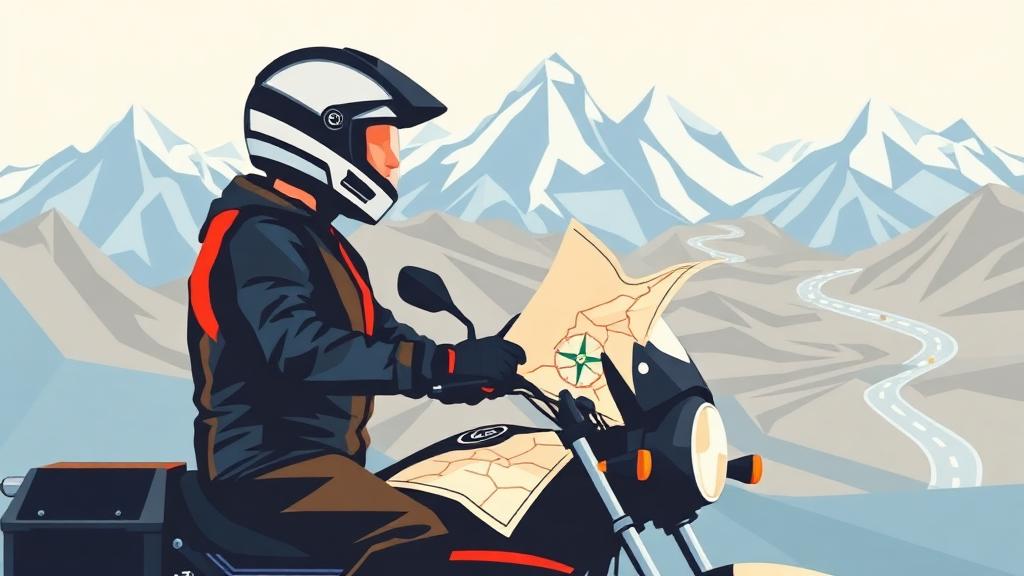
Choosing the right motorcycle route can be the difference between an unforgettable ride and a long, exhausting day you'd rather forget. Every rider has experienced it at least once: a road that looked incredible on the map but turned out to be crowded, boring, poorly surfaced, or simply not suited to their riding style.
In this guide, we'll break down how to choose the perfect motorcycle route, what to look for before you ride, and the most common mistakes riders make when planning their trips — especially when riding in a new country or region.
Whether you're planning a short weekend escape or a multi-day adventure abroad, this article will help you ride smarter, safer, and with far more enjoyment.
Why Route Choice Matters More Than the Bike
Many riders obsess over the motorcycle itself — engine size, suspension, electronics, luggage — but overlook the most important factor of all: the road.
A modest motorcycle on the right road will always beat a powerful machine on the wrong one.
The perfect route:
- Matches your riding skill level
- Fits your available time
- Offers scenery without stress
- Keeps fatigue manageable
- Makes you want to ride again tomorrow
Choosing poorly often leads to:
- Overcrowded highways
- Endless straight roads
- Dangerous fatigue
- Poor weather exposure
- Riding well beyond your comfort zone
Good planning eliminates most of these problems before you even start the engine.
1. Start With Your Riding Goal
Before opening a map, ask yourself why you're riding.
Are you looking for:
- Technical twisty roads?
- Relaxed scenic cruising?
- Long-distance touring?
- Gravel or adventure riding?
- A mix of everything?
Be honest. A route designed for aggressive sport riding is miserable if you're riding two-up with luggage. Likewise, a slow coastal cruise may feel boring if you're craving mountain passes.
Clarity first. Maps second.
2. Match the Route to Your Skill Level
One of the biggest mistakes riders make is overestimating their abilities — especially in unfamiliar terrain.
Beginner-friendly routes usually offer:
- Wide lanes
- Good visibility
- Predictable curves
- Smooth asphalt
- Lower traffic pressure
Intermediate routes add:
- Tighter corners
- Elevation changes
- More technical braking zones
Advanced routes often include:
- Hairpins
- Narrow mountain passes
- Gravel patches
- Limited run-off
- Rapid weather changes
There's no shame in choosing an easier road. Confidence and enjoyment always beat ego.
3. Understand Distance vs. Time
Motorcyclists often underestimate how long a route will take.
A common mistake is thinking:
"200 km is easy — that's just a few hours."
In reality:
- 200 km of highways might take 2–3 hours
- 200 km of mountain roads can take 6–8 hours
Curves, elevation, traffic, stops, weather, and fatigue all slow you down.
As a general rule:
- Mountain riding: 150–250 km per day
- Mixed terrain: 250–350 km per day
- Highway touring: 350–500 km per day
Planning realistic distances makes your ride far more enjoyable.
4. Research the Road Surface
Not all roads are created equal — even when they look perfect on the map.
Before committing to a route, check:
- Asphalt quality
- Known gravel sections
- Roadworks or closures
- Seasonal access (especially in mountains)
High alpine passes, desert roads, and remote areas often have:
- Broken pavement
- Loose gravel
- Construction zones
If your bike or tires aren't suited for it, adjust the route early — not halfway through the ride.
5. Avoid the "Fastest Route" Trap
Navigation apps default to the fastest route — which is usually the worst choice for motorcycling.
Fastest routes often mean:
- Highways
- Heavy traffic
- Trucks
- Boring scenery
- Strong wind exposure
Instead, use tools that allow:
- "Avoid highways"
- "Curvy roads"
- Manual waypoint control
Motorcycle-focused planners consistently deliver better riding experiences than generic car navigation.
6. Consider Weather and Season
Weather can transform a great route into a dangerous one.
Before riding, check:
- Temperature at elevation
- Wind exposure
- Rain probability
- Seasonal closures
Mountain regions often experience:
- Sudden fog
- Afternoon storms
- Cold pockets even in summer
A route that's perfect in July may be unpleasant — or impossible — in April or October.
7. Plan Fuel and Stops
Running low on fuel can quickly turn a great ride into a stressful one.
Always know:
- Distance between fuel stations
- Opening hours in rural areas
- Your bike's realistic range
In remote regions, adopt this rule:
Refuel when you hit half a tank.
Plan rest stops too. Even short breaks improve concentration and reduce mistakes — especially on technical roads.
8. Don't Overplan Every Minute
It's tempting to plan every turn, café, and viewpoint — but overplanning removes spontaneity.
Leave room for:
- Photo stops
- Detours
- Weather changes
- Local recommendations
Some of the best motorcycle memories come from unplanned moments.
9. Learn From Other Riders
Local knowledge beats algorithms.
Before riding a new region:
- Read rider forums
- Check motorcycle blogs
- Look at curated route lists
- Ask locals
Riders quickly identify:
- Roads worth riding
- Roads to avoid
- Best times of day
- Hidden gems
This saves you time and disappointment.
10. Common Route Planning Mistakes to Avoid
Here are the most frequent errors riders make:
- Packing too many kilometers into one day
- Choosing routes beyond their skill level
- Ignoring weather forecasts
- Relying only on "fastest route" navigation
- Forgetting fuel availability
- Not downloading offline maps
- Underestimating fatigue
Avoiding just two or three of these mistakes dramatically improves your riding experience.
Final Thoughts
Choosing the perfect motorcycle route isn't about finding the most famous road or the most extreme challenge. It's about matching the road to you — your skills, your goals, your bike, and your mindset that day.
When the route fits, riding feels effortless.
Corners flow.
Stops feel earned.
And the journey becomes the destination.
Plan smart, ride your pace, and let the road do the rest.