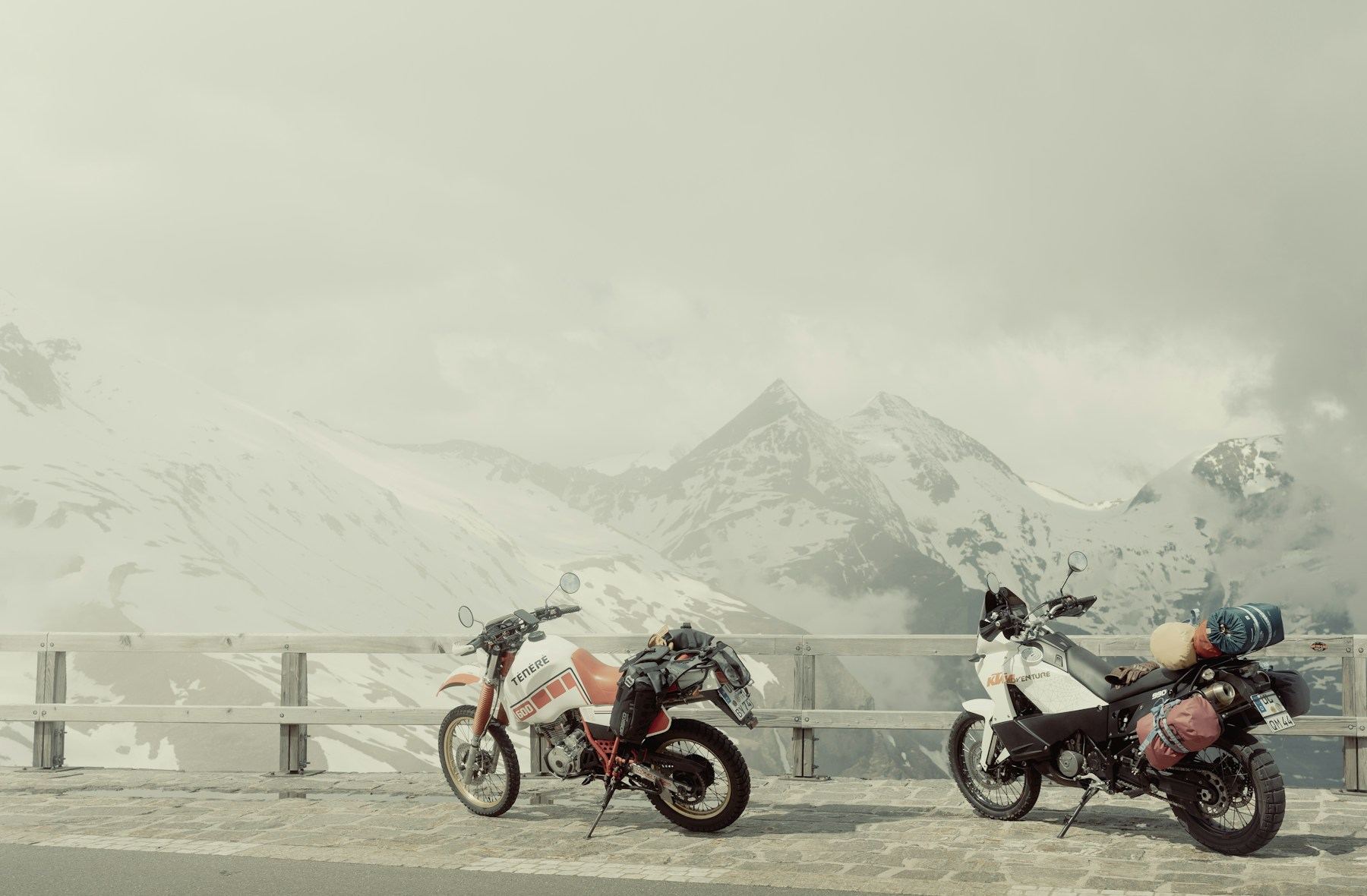
Cold-weather motorcycle safety is a combination of road condition, wind exposure, wet clothing and rider function. There is no single temperature at which riding changes from safe to unsafe. Ice, numb controls and impaired judgement can end a ride long before a thermometer reaches an impressive number.
Wind chill is a warning, not a motorcycle temperature chart
The US National Weather Service defines wind chill from heat loss through exposed skin. Its index is based on a human face model, applies only within defined cold and wind conditions and does not mean the motorcycle or road becomes colder than the actual air temperature.
That distinction matters. A rider behind a fairing, wearing windproof clothing and a full-face helmet is not equivalent to exposed skin in the standard chart. Use wind chill to recognise that moving air accelerates body heat loss, not to calculate a precise “felt temperature” for every speed.
Rain and sweat add another risk. The CDC notes that hypothermia can develop when a person is chilled by rain, sweat or cold water, not only during extreme winter weather.
Decide whether the road is rideable
Check air temperature, precipitation, overnight minimum, road warnings and elevation along the route. A dry valley forecast does not prove that a shaded pass, bridge or high plateau is free of ice.
The UK Highway Code advises avoiding icy or snowy travel unless essential. It warns that stopping distances can be up to ten times greater than on dry roads and that conditions can change over short distances. For a touring motorcyclist, forecast or observed ice is normally a reason to delay, reroute or use another form of transport.
- Be especially cautious after a clear cold night, on bridges and on permanently shaded sections.
- Do not use another vehicle’s speed as proof of grip.
- Do not “test” a suspicious patch with a sudden brake or steering input.
- If the road surface cannot be read, turn around before reaching the exposed section.
Build a layer system that preserves movement
The goal is to remain dry, block moving air and retain insulation without restricting control movement or circulation.
- Base layer: move moisture away from the skin. Avoid relying on cotton when it may become wet and stay wet.
- Insulating layer: add warmth without excessive bulk at shoulders, elbows, hips and knees.
- Outer layer: block wind and manage rain. Close neck, waist, wrist and ankle gaps while maintaining helmet and armour fit.
More clothing is not automatically safer. Gloves or boots that compress insulation and restrict blood flow can make hands and feet colder. Check that every control can be operated accurately and that the rider can turn their head freely before leaving.
Hands, feet, head and neck
Loss of hand function is an immediate riding problem. Use wind protection, suitable insulated gloves and, where appropriate, heated grips or heated gloves. Test the full system in advance: thick gloves can alter lever feel, and heated equipment can fail through a poor connector or insufficient electrical capacity.
Keep feet dry and allow room inside the boot. A thin, dry insulating sock is more useful than layers that make the boot tight. Seal the neck opening without adding material that interferes with the helmet strap or head movement.
Use the helmet’s approved anti-fog system and ventilation controls. If the visor cannot be kept clear, stop. Riding with a partly obscured visor is not a reasonable trade for keeping the face warmer.
Using heated gear safely
Heated clothing can extend comfort, but it does not make ice rideable or replace insulation. Confirm the motorcycle manufacturer’s available electrical output and include every accessory in the calculation. Protect the circuit with the correct fuse and route wiring so it cannot restrict steering, touch hot parts or snag when mounting the motorcycle.
Begin with a low setting and monitor hot spots. Carry insulation that remains useful if the electrical system fails. Battery-powered garments need a realistic runtime check in the temperatures in which they will be used; marketing runtime is not a substitute for a tested plan.
Adjust the riding day
Cold and wind increase fatigue. The Motorcycle Safety Foundation warns that wind, cold and rain make riders tire more quickly and recommends frequent rest breaks on long trips. Shorten the route before departure rather than trying to recover time late in the day.
- Choose daylight and the warmer part of the forecast window.
- Reduce speed and increase following distance before grip or visibility deteriorates.
- Brake while upright and make throttle, steering and brake inputs progressively.
- Stop in a heated place early enough to assess hands, feet and judgement.
- Carry a dry layer and an emergency plan that does not depend on continuing to ride.
Do not apply a universal percentage to braking distance or a fixed tyre “warm-up” mileage. Grip depends on tyre design and condition, load, pressure, road material, water, frost and temperature. Use the motorcycle and tyre manufacturers’ pressure guidance and ride to the observed surface.
Recognise hypothermia and impaired control
CDC warning signs include shivering, exhaustion, confusion, fumbling hands, memory loss, slurred speech and drowsiness. Loss of coordination and confusion mean the rider may no longer be capable of judging their own condition reliably.
Stop riding immediately when
- hands cannot operate throttle, brake, clutch or switches accurately;
- shivering affects steering or vision;
- a rider becomes confused, unusually irritable, clumsy or drowsy;
- wet clothing cannot be replaced or dried;
- ice, freezing rain or snow is present on the intended road.
Move the affected rider into warm shelter, remove wet clothing and request medical assistance for signs of hypothermia. Warm beverages are only appropriate for a conscious person; do not give alcohol. Follow local emergency-service instructions rather than attempting to diagnose severity at the roadside.
Mountain-pass planning
Elevation can produce a very different environment from the departure town, but a generic temperature-per-altitude rule is not a forecast. Check the pass itself, its official opening status and the expected time of arrival. Fog, shaded frost and runoff can remain after the valley has warmed.
Create a lower B-route before departure and mark the junction where the decision must be made. If the high road is the sole reason the schedule works, the schedule needs another day. See the road-trip planning guide for the A-route, B-route and exit-route method.