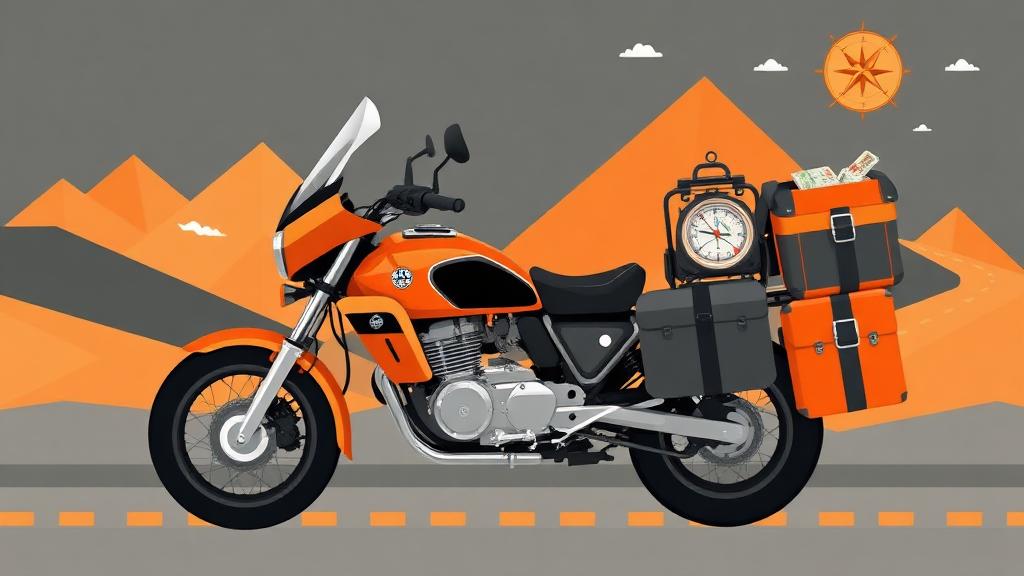
Planning a motorcycle trip is one of the most exciting parts of riding. The anticipation, the maps, the routes, the hotels, the gear—it all builds toward the moment you fire up your bike and roll onto the open road. But great motorcycle trips don't just happen. They're the result of smart planning, good preparation, and understanding how long-distance riding is different from everyday commuting.
This guide takes you step-by-step through the process of planning a perfect motorcycle trip in 2025—whether it's a 2-day weekend ride or a 3-week international adventure.
Step 1: Choose Your Destination
This is where every motorcycle trip begins. Your destination sets the tone of the whole journey.
Start with a clear vision:
- Do you want mountains, coastlines, deserts, or forests?
- Are you craving tight twisties, long sweepers, or gravel ADV routes?
- Do you want a multi-country ride or a deep exploration of one region?
Popular trip types:
- Scenic tours: Alps, Pyrenees, Scotland NC500
- Adventure rides: Iceland, Morocco, Himalayas
- Relaxed coast trips: California Coast, Portugal, Australia
- Historic routes: Route 66, Transalpina, Camino del Cid
Define the vibe of the trip early—it influences everything else.
Step 2: Decide Distance and Daily Riding Hours
This is where most riders fail—they plan too much distance.
General rule:
- 300 km/day in the mountains
- 500–700 km/day on highways
But elevation, weather, road type, and fatigue matter.
Ask yourself:
- How many hours are you comfortable riding per day?
- Do you want time to take photos? Explore towns? Stop for lunch?
- Are you solo or with a group?
A good structure:
- Relaxed trips: 3–5 hours/day
- Moderate trips: 5–6 hours/day
- Hard trips: 7–9 hours/day
If your trip feels like "work," you've planned too much.
Step 3: Plan Your Accommodation
Your sleeping setup dramatically affects your trip.
Hotels
Pros: Comfortable, safe parking, hot showers, breakfast options
Cons: More expensive, must arrive before reception closes
Camping
Pros: Freedom, cheap, immersive nature experience
Cons: Setup time, weather dependency, you carry more gear
Hostels
Pros: Cheap, social, often central
Cons: Shared rooms, mixed cleanliness
Motorcycle-Friendly Hotels
In Europe and USA, many hotels include:
- Tool stations
- Chain lube
- Bike garages
- Drying rooms for gear
These are ideal bases for multi-pass riding.
Step 4: Prepare Your Motorcycle
A poorly prepared bike can ruin a trip. Do basic maintenance 1–2 weeks before departure.
Mechanical Checklist
- Oil + filter
- Brake pads
- Coolant
- Chain condition + tension
- Brake fluid
- Tires (good tread, correct pressure)
- Lights + signals
- Charging system
Luggage Setup
Hard panniers: Secure, waterproof, good for long trips
Soft bags: Light, great for adventure/off-road, easier to mount
Top case: Perfect for helmets, cameras, and laptops
Tools to Bring
- Chain lube
- Tire repair kit + mini compressor
- Multitool
- Zip ties + duct tape
- Spare fuses
Step 5: Safety & Risk Planning
This is where inexperienced riders make serious mistakes.
Weather Awareness
Weather changes fast on the road. Always check:
- Temperature range
- Wind
- Rain
- Elevation effects
- Storm warnings
Emergency Planning
Have a plan for:
- Punctures
- Engine failure
- Medical issues
- Getting stranded
Backup Essentials
- Offline maps (Google, Gaia GPS, Maps.me)
- Paper map
- Power bank
- Emergency contact card
- Travel insurance that covers motorcycle riding
Step 6: Create Your Packing List
Your gear makes or breaks the trip.
Riding Gear
- Helmet (full-face recommended)
- Textile jacket with ventilation
- Waterproof pants
- Touring boots
- Gloves (summer + waterproof)
- Thermal layers
- Rain gear
Clothing
- 2–3 shirts
- 1 pair of jeans
- Lightweight shoes
- Underwear + socks
- Swimwear
Electronics
- Phone + GPS
- Chargers
- Power bank
- GoPro / Insta360
- Charging cables
Documents
- Passport
- License
- Bike papers
- Insurance
- Hotel bookings
Step 7: Build Your Itinerary
Your itinerary should balance structure and freedom.
Example 3-Day Trip (Europe)
- Day 1: Mountain pass loop
- Day 2: Scenic lakes + villages
- Day 3: Final high-pass ride
Example 7-Day Trip (USA)
- Day 1–2: Coastline
- Day 3: Redwoods
- Day 4–5: Mountains
- Day 6: National Parks
- Day 7: Final scenic highway
Example 10-Day Adventure Trip
- Mix of asphalt + gravel
- Camp every 2–3 days
- Explore remote regions
Don't schedule every minute—leave space for spontaneous discoveries.
Step 8: Budgeting Your Motorcycle Trip
The figures below are rough ballpark numbers to plan around, not fixed prices. Fuel, food, and lodging costs shift a lot from year to year, by season, and by exactly where you ride—so always check current rates for your route before you lock in a budget.
Typical costs per day (Europe):
- Fuel: around €20–€40
- Food: around €20–€35
- Hotel: around €60–€120
- Extras: around €10–€20
USA:
- Fuel: around $10–$25
- Hotel: around $80–$140
- Food: around $20–$40
Adventure destinations (cheaper):
Thailand, Vietnam, Morocco
Expensive regions:
Switzerland, Iceland, Norway
Step 9: Best Apps & Tools
- Google Maps Offline (must-have)
- Calimoto (amazing curvy routes)
- Kurviger (twisty road planner)
- Booking.com
- Airbnb
- Windy (weather & wind)
Heads up: several of these have changed their pricing and free-vs-paid features over the years (a few of the route planners now put their best features behind a subscription), so check the current version and plans before you rely on any one of them.
Final Tips for a Perfect Motorcycle Trip
- Start early each day
- Don't ride when exhausted
- Eat before you're hungry
- Stay hydrated
- Don't chase speed—chase enjoyment
A motorcycle trip is one of the greatest experiences a rider can have. Plan it well, and it becomes unforgettable.